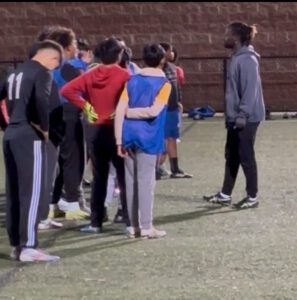

Deep in Kenya’s rural areas, hopes often seem like fleeting whispers carried by the wind. However, a quiet transformation is taking shape on dusty community playing fields. As the sun casts long shadows over vibrant towns like Migori, Embu, and Kakamega, young girls prepare each afternoon to step onto the pitch. Carefully, they lace their well-worn boots and braid their hair. Here, they enter a space that goes beyond simply scoring goals—a place where life skills resonate well beyond the final whistle.
From Football Drills to Life Skills: What The Star Reported
As reported by The Star, a surge of grassroots football projects across Kenya is transforming how young girls face challenges such as early pregnancy, dropping out of school, and limited economic opportunities. Trained by local NGOs and coaches like Enoch Mideva, they blend mentorship, reproductive health discussions, and community support into sports activities. These initiatives do more than form teams; they create a protective space where young girls can build resilience, develop self-confidence, and find pathways beyond the restrictive paths society often imposes.
A Shift From “At-Risk” to “Agents of Change”
What makes these initiatives powerful isn’t just their presence but the shift in thinking they represent. Traditionally, the story of developing young girls in East Africa focused on their vulnerabilities—being “at risk,” seen as always in danger and in need of rescue. However, the communities highlighted by The Star introduce a revolutionary idea. Viewing girls as active participants in their own empowerment—agents who shape their future rather than passive recipients. When a young woman leads a team, plans game strategies, or confidently shares her dreams with peers, she hones skills that Amartya Sen says are essential for human freedom.
On the Field, Girls Learn to Claim Their Futures
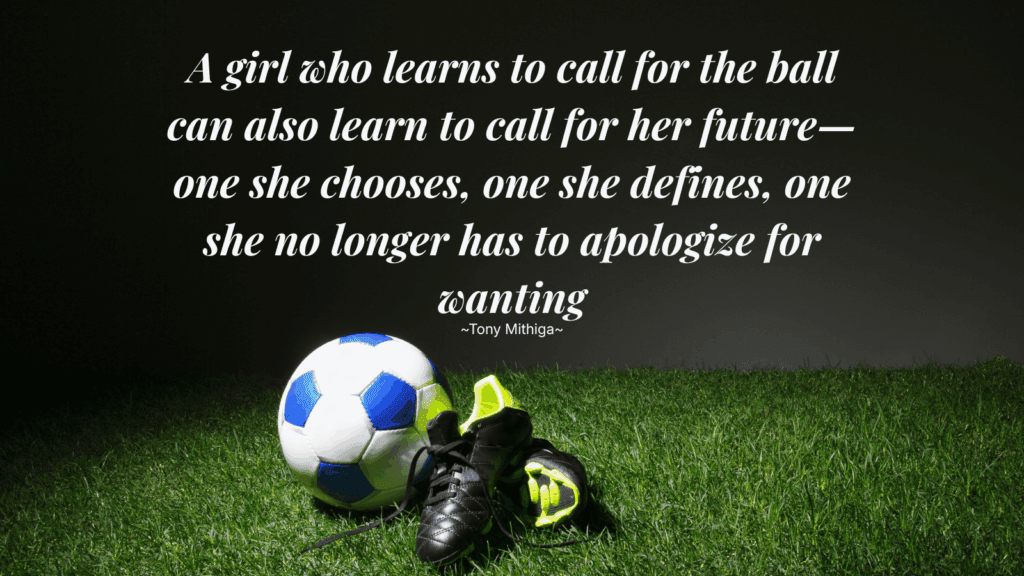
Behind every pass, sprint, and team huddle, a powerful story unfolds. A story that shows the transformative impact of girls’ football teams in Kenya stepping onto the pitch. Football is more than a sport; it becomes a symbol of self-empowerment. A girl who asserts, “I need the ball,” can later declare, “I deserve to stay in school,” or “I’m not ready for a relationship.” She asserts her independence in decision-making. The pitch transforms into a stage where long-suppressed choices are rehearsed and embraced.
Strengthening Communities, One Match at a Time
These programs do more than boost individual confidence; they strengthen community bonds. Coaches become mentors. Teammates become vital support systems, and matches turn into community events where parents see their daughters in a new light. As resilient athletes full of ambition and potential not just as future mothers tied down by early marriages. In a country facing alarmingly high teen pregnancy rates—nearly 15 percent nationwide—these subtle but meaningful changes have the power to create social reforms that spread outward.
A Story That Resonates Across the Kenya–Diaspora Bridge
For Kenyan Americans watching from afar, this story strikes a deep chord: sports have long been more than just recreation. They serve as tools for diplomacy, social change, cultural identity, and even survival. Many in the diaspora forged early friendships and leadership traits on community fields where cultural barriers dissolved through movement. The sense of protection and belonging these young girls experience is familiar: a reminder that teamwork often achieves what policy papers cannot.
A Global Movement for Human Security
What’s happening in rural Kenya isn’t isolated but mirrors a broader global movement. From Brazil’s favela-based training programs to Bengaluru’s “Kick for a Cause” initiatives, football is increasingly seen as a platform for human development. These grassroots efforts align with major global priorities like SDG 16, which emphasizes peace, justice, and inclusion. By reducing gender-based violence, promoting unity, and giving young women a public voice, these programs help build the very foundations of human security.
The Funding Challenge: Why Support Must Go Beyond Goodwill
Yet beneath the hope lies a brutal truth. Most of these programs operate on tight budgets, with volunteers and donated equipment sustaining them from week to week. Without consistent funding, their futures remain precarious. For Kenya to fully empower its daughters, investment must come not just from NGOs. County governments, private sector partners, and diaspora networks must get involved in treating sports as a strategic national investment. Turning this industry into a form of income generating activity for our starlets and not a luxury.
A New Generation Rising in Migori, Embu, Kakamega—and Ahero
As the sun sets on a warm Saturday evening in Migori, Embu, Kakamega, or rural Ahero, a new reality takes shape. A girl once hemmed in by societal limits now sprints across open space, exploring new possibilities with every stride. Her voice gains confidence in team talks. She can be heard laughing from the bottom of her heart after every practice. Her belief in her potential sharpens like a well-honed blade. She no longer moves only to avoid danger; she runs toward a future she can finally envision.
The Real Scorecard: One Girl, One Match, One Future at a Time
With millions of daughters across Kenya, the scoreboard will show goals and wins. However, the true measure of victory lies in transformed lives. When sport shifts mindsets, communities are strengthened. Whispers of shame turn into a chorus of hope; it becomes a form of social capital for infrastructure. For those at home and across the diaspora, this story invites a simple truth: football is not merely recreation. It is a catalyst for societal change and a blueprint for a more inclusive future.
